When we think of aphids, we often imagine their voracity or their alliance with ants. But we sometimes forget that our own gardening practices have a direct influence on their presence. Among these, fertilization plays a major role: excessive nitrogen inputs make your plants particularly attractive to aphid colonies.
The good news is that by adjusting your inputs as early as February, you can considerably reduce pest pressure in the spring. Here’s how to take preventive action, without pesticides, for a more balanced, sustainable garden.
Why does nitrogen attract aphids?
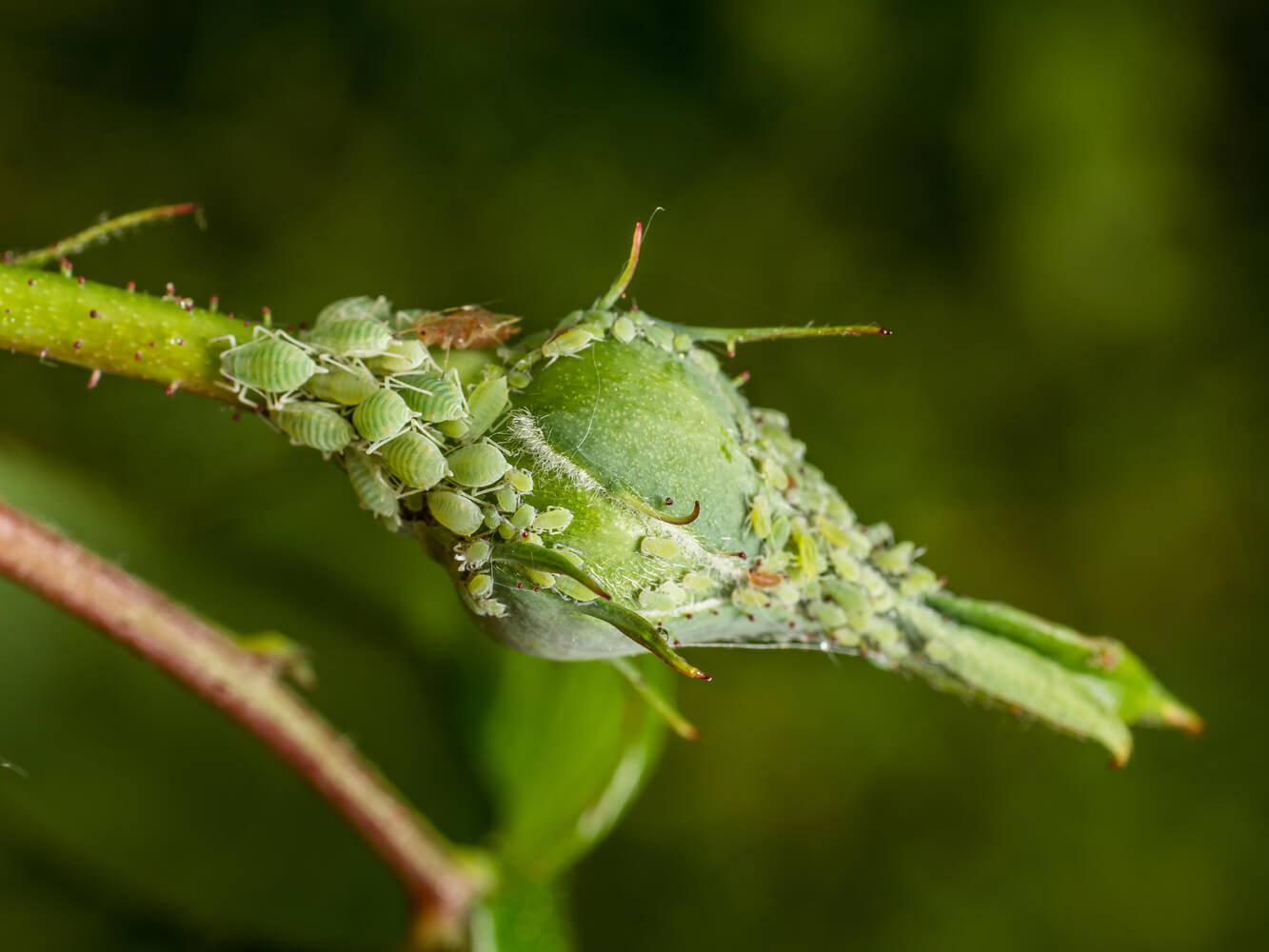
Nitrogen is essential for plant growth. It’s what encourages the production of tender, sap-rich young shoots. The problem is that these tissues are also aphids’ favorite food.
- Tender young shoots: easy to pierce with their proboscis, aphids find them an abundant source of food.
- Nitrogen-enriched sap: more concentrated in nutrients, it stimulates rapid colony reproduction.
- Increased honeydew production: the more aphids there are, the more honeydew there is… and the more ants are attracted, reinforcing the vicious circle.
In other words, over-generous nitrogen fertilization is tantamount to “setting the table” for aphids and their allies, ants.
How to recognize excess nitrogen in the garden?
A few simple signs can alert you:
- Very rapid, unbalanced stem growth.
- Dark green leaves, sometimes fragile and not very resistant to disease.
- Young, soft shoots, particularly vulnerable to aphid attack.
If you notice these symptoms, it’s time to review your fertilization plan before spring arrives.
Follow these good fertilization practices, starting in February
February is the ideal time to take action, as plants gradually emerge from their winter rest. Adjusting your inputs now means anticipating infestations and preparing the ground for effective biological control from March onwards.
1. Focus on balanced organic inputs
Opt for mature compost or slow-release fertilizers. Unlike fast-release nitrogen fertilizers, they nourish your plants gradually and avoid the growth “spurts” that aphids thrive on.
2. Fractional feeding
Rather than making one massive application, divide your fertilizations into small doses spread out over time. Plants remain vigorous, but less vulnerable to attack.
3. Combining fertilization and biodiversity
Encourage plant diversity in the garden. Flowering hedges, local perennials and nectar-producing plants create a favorable environment for natural beneficials such as ladybugs, hoverflies and lacewings. Fewer aphids, more balance!
Prepare the ground against ants
Taking action on fertilization isn’t enough: to break the aphid-antelope alliance, it’s best to install your ant barriers as early as February. Here are a few methods:
- Glue strips: applied around the trunks of fruit trees and shrubs.
- Diatomaceous earth: spread at the foot of sensitive plants.
- Nest monitoring: locate and treat ground colonies if necessary.
By neutralizing ants’ access to infested plants, you remove the active protection aphids enjoy and make it easier for natural beneficials to work.
Anticipate spring ladybug releases
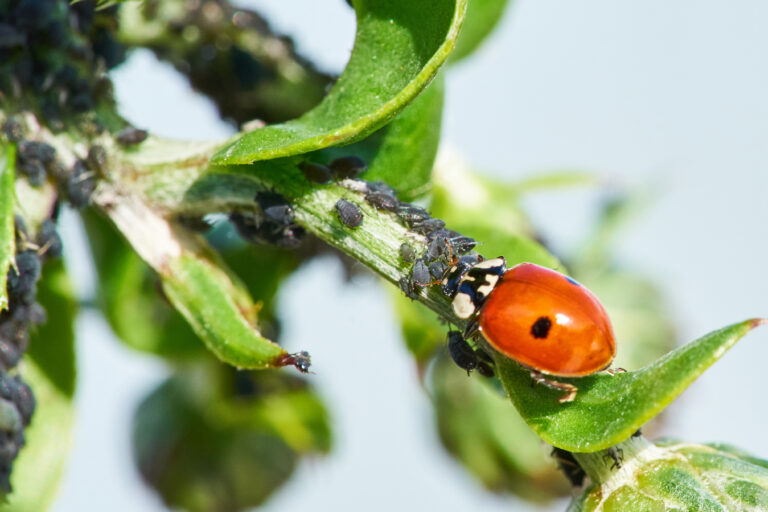
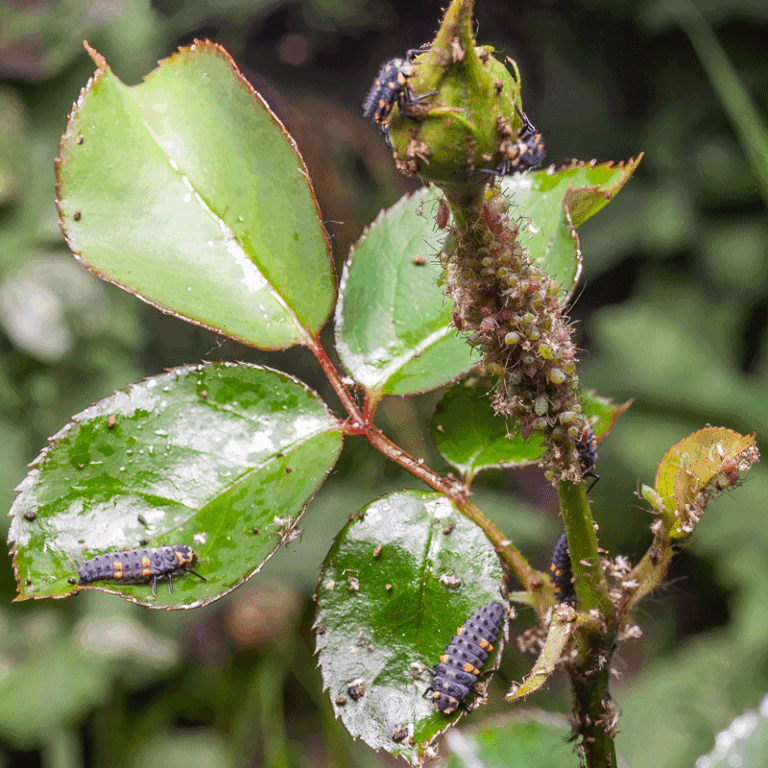
Reasoned fertilization and ant control are the two key conditions for maximizing the effectiveness of Adalia bipunctata ladybugs. As soon as the first aphids appear, you can introduce the larvae or adults raised by Horpi.
Our practical recommendations:
- Introduce ladybugs at the end of the day, on calm, windless days.
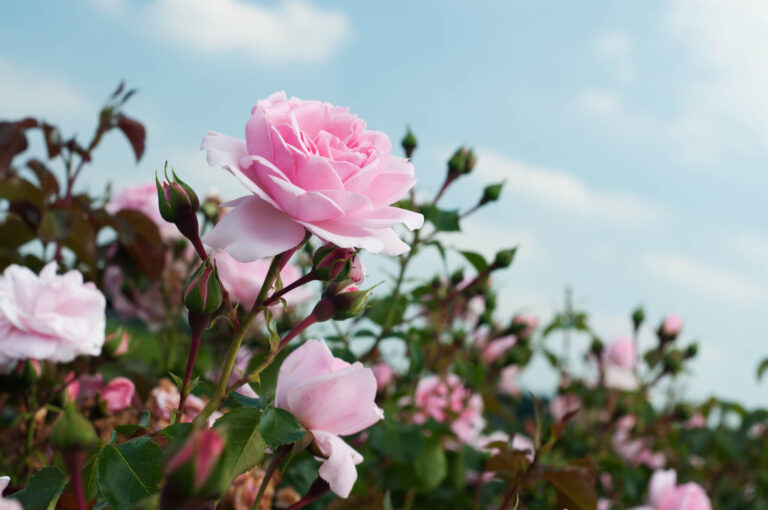
- Adapt the number of larvae or adults to the type of plant: roses, shrubs, vegetable garden, fruit trees.
- Plan releases as soon as the first outbreaks occur to avoid building up large colonies.
With this combined strategy – controlled fertilization, ant control and ladybug releases – you optimize your chances of success without resorting to pesticides.
Avoid these mistakes
Even with good intentions, certain practices can compromise your efforts:
- Applying too much universal fertilizer in spring: often rich in nitrogen, it encourages aphids.
- Ignore the weather: after a mild winter, aphids appear earlier. Anticipate by releasing ladybugs at the first sign.
- Neglecting monitoring: a balanced garden requires regular observation, especially when vegetative growth starts up again.
Towards a balanced, resilient garden
Reducing the presence of aphids is not just a question of direct control. It’s also a question of anticipation and balance. By adjusting your nitrogen inputs as early as February, you avoid offering a feast to aphids, limit the attraction of ants and prepare your plants to welcome their natural allies.
At Horpi, we’re convinced that the fight against aphids starts with these simple gestures, supported by proven biological solutions such asAdalia bipunctata. Protecting your plants also means protecting the biodiversity that surrounds them.