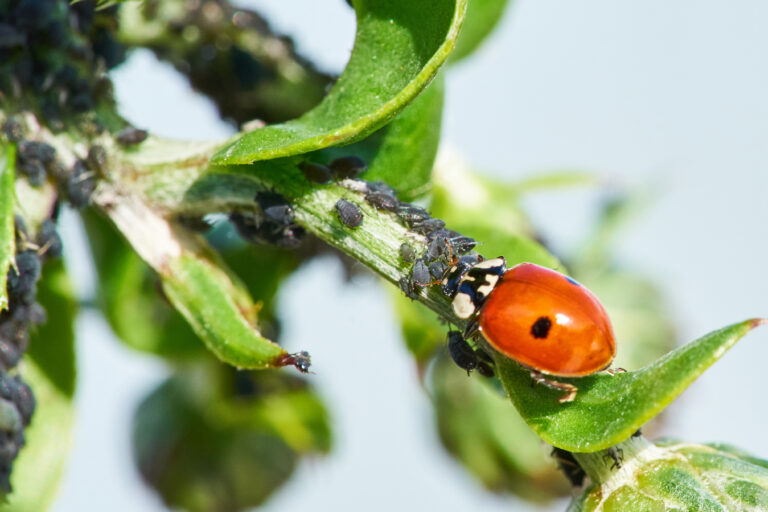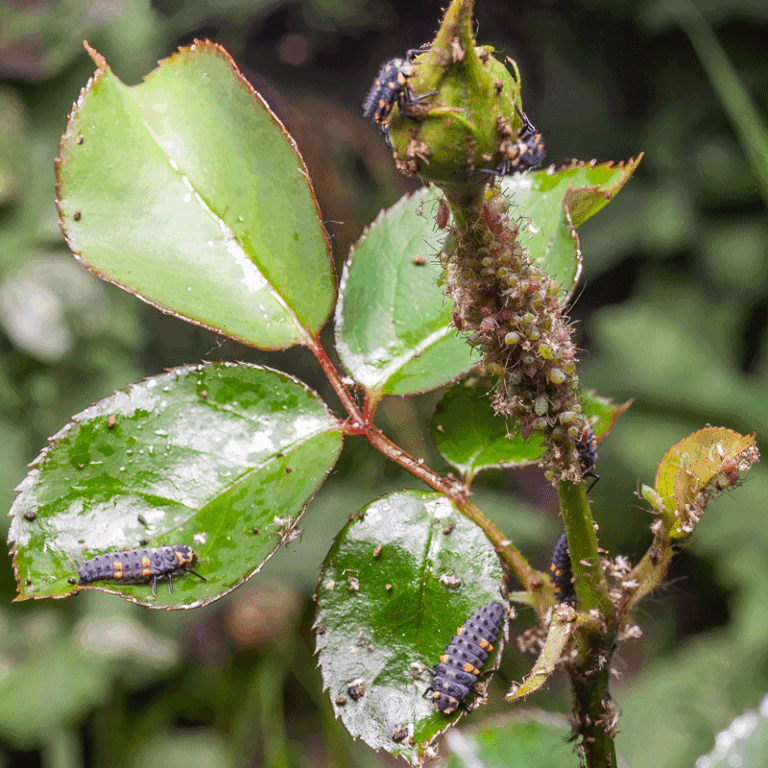
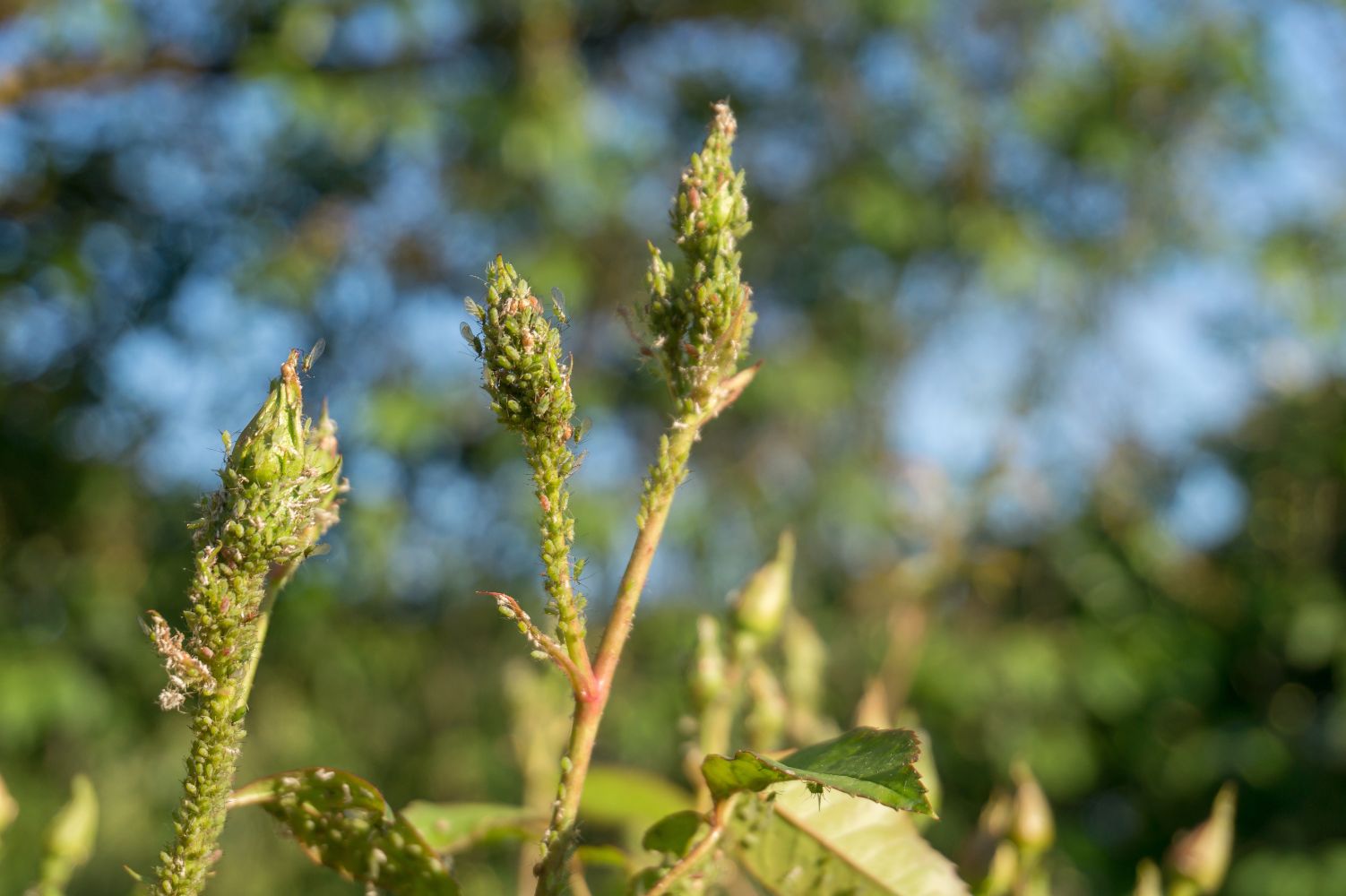
You step into the garden: your roses are sticky, young shoots are curling, and ants are standing guard… Take a breath. An aphid invasion is not inevitable. The goal isn’t to have “zero aphids”, but to regain control quickly, cleanly, and sustainably.
The Horpi strategy prioritises natural regulation: observing, correcting what attracts aphids, and then reinforcing the presence of their natural predators.
Why do certain plants “attract” aphids?
Aphids target young, sap-filled tissues. Three factors make the difference:
- Vigour: after pruning or an excess of nitrogen, the sap becomes more palatable.
- Microclimate: in greenhouses, conservatories, or sheltered balconies, gentle heat accelerates the reproduction cycle.
- Ants: they protect aphid colonies to collect honeydew and actively repel natural predators.
Remember this simple principle: less nitrogen, fewer ants, more predators. On certain species, the attack can escalate very quickly if these conditions are met.
The 6 most affected plants in the garden
There is no need for a complete inventory. It is better to focus on where the infestation truly harms the flowering or the vigour of the plant.
1. Roses
This is the number one target in spring. Buds swell and stems twist. To protect your roses without insecticides, combine a firm spray of water to dislodge colonies, ant management, and the introduction of ladybird larvae directly onto the affected areas.
2. Broad beans and runner beans
Black aphids love the apex (the top ends of the stems). Monitoring every two days during the start of the season prevents damage: pinch off overly infested stems and set up biological protection at the first signs.
3. Lime trees and Maples
Their large colonies generate honeydew that coats patios and cars. Here, the goal is primarily comfort: limit the ants’ logistics on the trunk to let natural auxiliaries do their work.
4. Peppers, chillies, and aubergines (under glass)
The warm microclimate favours aphids, while predators are often absent at the beginning. Ventilate as much as possible, avoid over-rich fertilisers, and introduce ladybirds locally.
5. Stone fruits (Peach, plum trees…)
Young leaves curl up and shoot growth is stunted. Early action via mechanical cleaning and the installation of ant barriers makes a real difference to the health of young trees.
6. Hibiscus and indoor plants
Indoors, the stable environment and rich compost favour localised but persistent outbreaks. Use a regular lukewarm shower on the foliage and a targeted release of larvae if the infestation persists.
Your sustainable natural regulation strategy
The key to success is continuity. Larvae act quickly to stop the attack, while adults ensure long-term regulation. To keep this balance over time:
- Zero non-selective insecticides: a single “spray” and you lose your natural allies too.
- Manage ants over the long term: they are the bodyguards of aphids. To understand their role, read our article: why controlling ants is essential for protecting your plants.
- Diversify your flowers: planting yarrow, coriander, or phacelia helps feed adult auxiliaries all around your crops.
- Follow the rhythm: as soon as aphids reappear (during a growth spurt or a warm spell), a small booster of larvae is often enough to keep the population at an acceptable level.
Errors that ruin your efforts
- Over-fertilising with nitrogen: you are simply feeding the problem by making the plant more “appetising”.
- Forgetting the ants: without cutting off their access to the trunk, the colony will constantly rebuild itself despite the introduction of predators.
- Watering in full sun: the magnifying effect of water droplets on fragile young tissues can cause scorching.
- Relying on a “miracle spray”: regulation is a global and living system, not an isolated action.
In summary, protecting your roses, vegetables, or fruit trees requires observation, reducing attraction (nitrogen, ants), mechanical cleaning, and then installing biological allies. By following this method, you will restore a balanced garden.
To take action and order your auxiliaries, you can also find a Horpi dealer near you.