The arrival of sunny days often rhymes with getting back into the garden. But spring also means the return of aphids and other pests that weaken our plants. Faced with these invaders, many gardeners still turn to chemical pesticides. However, natural alternatives do exist, and they are effective, simple to implement, and environmentally friendly.
At Horpi, we put science at the service of nature to offer ecological solutions based on the use of ladybirds.
Why ban chemical pesticides?
For a long time, pesticides seemed unavoidable. Fast, effective, easy to spray… But their downside is heavy:
- they also destroy beneficial insects (bees, ladybirds, hoverflies),
- they pollute the soil and water,
- they weaken the natural balance of the garden.
In the long term, a garden dependent on chemicals becomes fragile. Pests always return, sometimes more resistant, while biodiversity disappears. Adopting alternatives to pesticides means making your garden more autonomous, more resilient… and much more vibrant!
What natural solutions should you adopt in the garden?
The good news is that nature already offers all the keys to defend itself.
Encourage biodiversity
A diverse garden naturally attracts predators of aphids. Flowering hedges, wildflower meadows, insect hotels… all these features invite tits, hoverflies, and ladybirds to settle in.
Use homemade repellents
Have you ever used diluted black soap, a garlic infusion, or even nettle or horsetail manure? The first suffocates aphids without harming other insects. The smell of the second acts as a natural repellent. The third strengthens the plants’ defences.
Plant “decoy” varieties
Nasturtiums or broad beans attract aphids and protect your main vegetables. It is a grandmother’s tip that remains devilishly effective.
Auxiliaries: precious allies
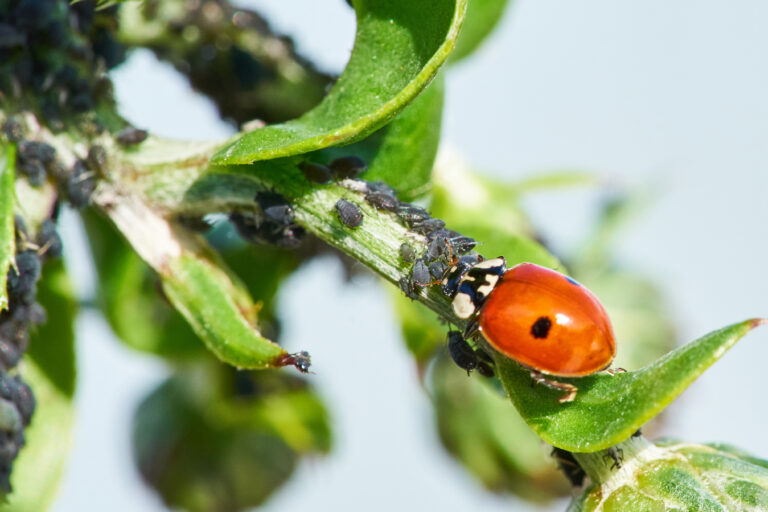
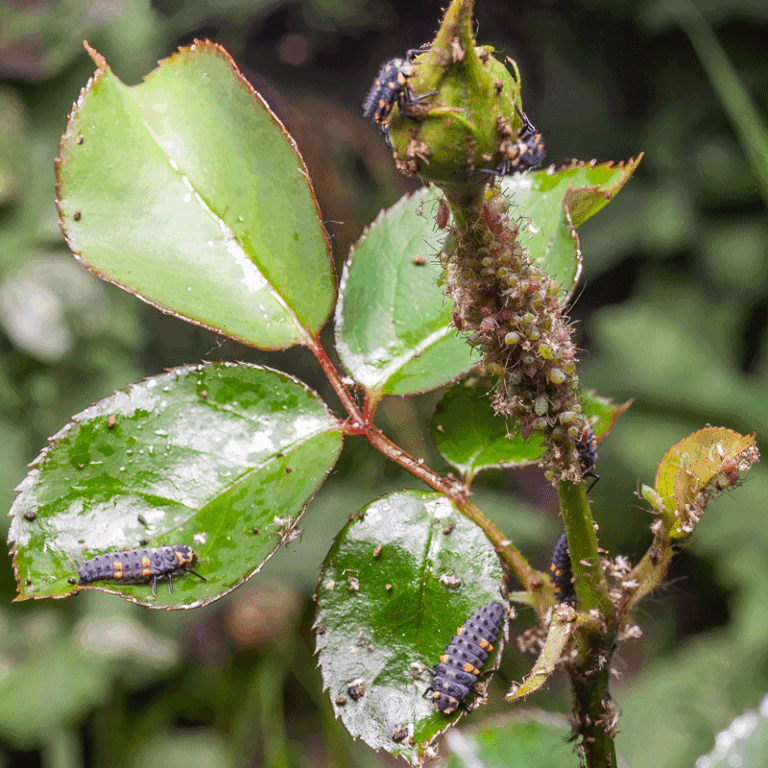
This is the most sustainable path. Ladybird larvae, for example, are voracious predators that help regulate aphid populations in a natural way. Unlike chemical treatments, they do not damage the ecosystem: they enrich it.
When science meets nature: Horpi’s expertise
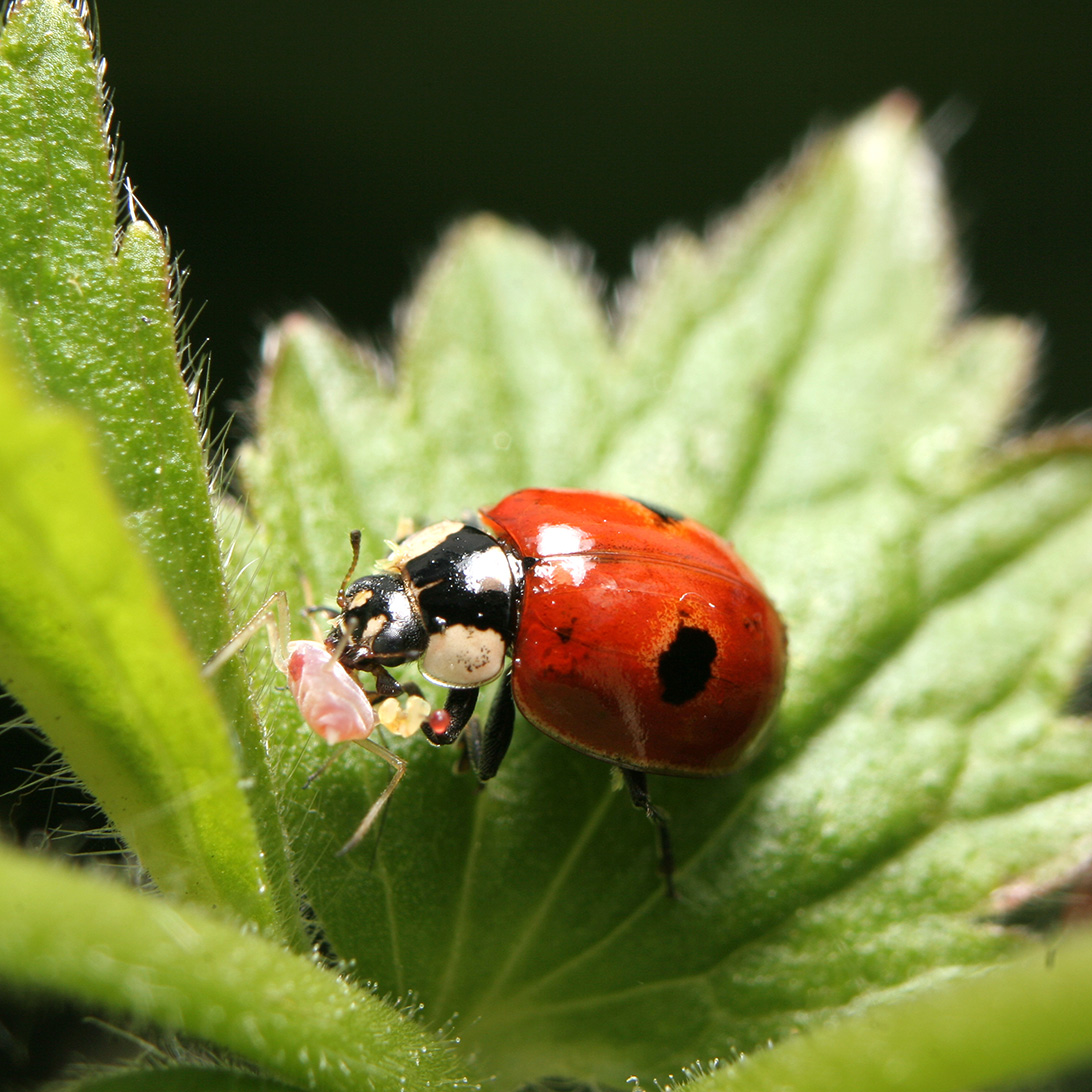
At Horpi, we believe that a healthy garden starts with natural and reliable solutions. The company was born from the desire to put science at the service of nature to offer high-performance biological control tools. We breed Adalia bipunctata, a ladybird endemic to Europe, perfectly adapted to our gardens.
To learn more about our approach, discover what makes Horpi different:
- Technical expertise: by focusing solely on the Adalia bipunctata ladybird, and thanks to our technical experience in biological control, Horpi designs products that adapt to the specific needs of each crop.
- Quality and effectiveness: thanks to innovative breeding management, Horpi provides consistently uniform products, with insects all of the same age, thus guaranteeing maximum effectiveness at the time of release.
- Sustainable impact: Horpi contributes to reducing the use of pesticides, thereby protecting human health, nature, and the environment.
Thanks to years of R&D, Horpi has 100% mastery of the breeding, conservation, and logistics processes, thus guaranteeing ladybirds in top condition ready to play their role in biological control.
Some practical tips for successful eco-friendly gardening
- Observe your plants regularly: a small colony of aphids spotted early is much easier to control.
- Act in spring: introduce ladybirds as soon as the first aphids appear.
- Control ants: they protect aphids in exchange for honeydew. A simple glue band or a little diatomaceous earth at the base of the plants is enough to keep them at bay.
- Limit nitrogen fertilisers: an excess of nitrogen makes plant sap irresistible to aphids.
- Diversify your plantings: a varied vegetable garden attracts more natural predators and reduces the risk of infestation.
An approach that goes beyond the garden
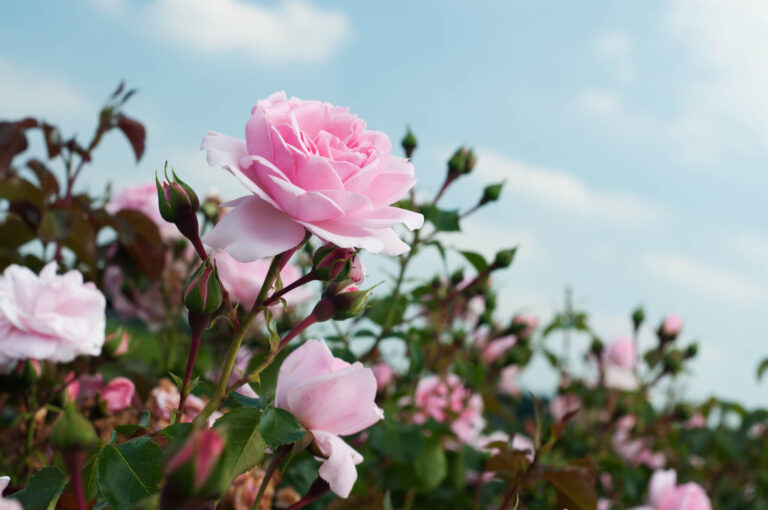
Eco-friendly gardening is not just about flowers and vegetables. It is a societal choice. Every ladybird larva placed on a rose bush contributes to reducing the use of pesticides in our gardens and preserving biodiversity. By opting for natural alternatives, you are participating in a wider movement: that of a future where agricultural performance and respect for the living no longer conflict. This is the bet that Horpi makes every day.